
Residential bathrooms
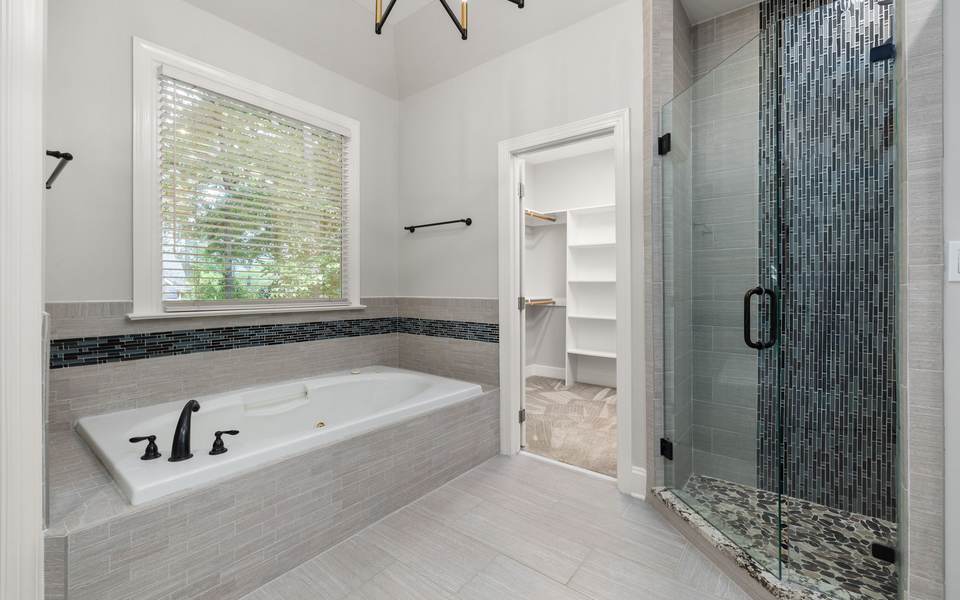
Full remodels, custom showers, walk-in tubs and safer bathrooms, in Midtown houses from 1910s bungalows to the 1950s.
A new bathroom that still belongs to the house
Swan Lake, Yorktown, Gillette, Maple Ridge: Midtown's streets went up between about 1910 and the 1950s. We keep the tile, tub and trim worth saving, bring the plumbing behind them up to code, waterproof every wet wall, and remodel restrooms for Midtown businesses too.
The team and owner was very skilled with their crafts. I liked how responsive the customer service was.
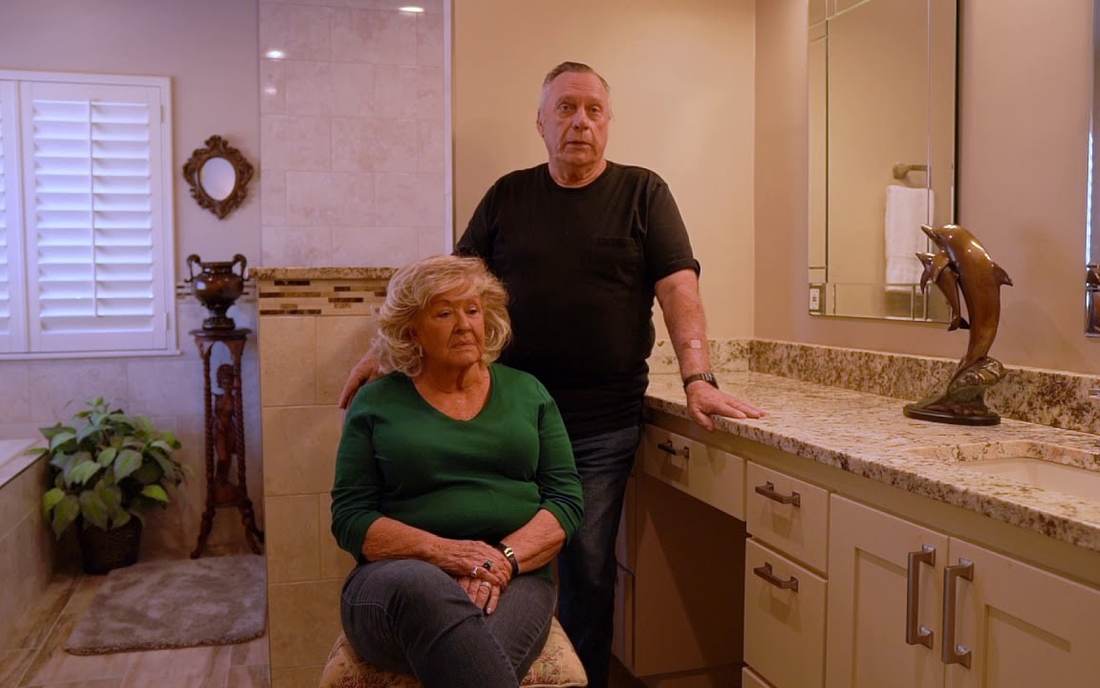
Two customers walk through their remodel on video, Jeremy says what he checks first in an older house, and Google reviewers cover the rest, copied exactly as they wrote it.
I don’t think you could find anybody any better to work with than these people.The homeowners, in their video review

Jeremy grew up in Tulsa and learned tile and bathrooms at 16 from a builder with 40 years in the trade. In a house this old, he tells you what is worth saving before he tells you what it costs.
More about JeremyLuis and his whole team were timely, professional, kept us informed on all budgeting issues, and provided excellent recommendations and resources for our bathroom remodel. They kept everything as clean as possible during an in-home remodel, cleaned up the area each day, and were very responsive to questions and concerns. They made the whole experience as stress-free as possible. We are thrilled with our beautiful new bathroom, and highly recommend them.
I was impressed and pleased with the quick response. The owner was friendly!
Great customer service, i will definitely recommend them around
We work for homeowners on Midtown's prewar and postwar streets, and for the people who run its shops, restaurants, offices and churches. Choose your side.
Full remodels, custom showers, walk-in tubs and safer bathrooms, in Midtown houses from 1910s bungalows to the 1950s.
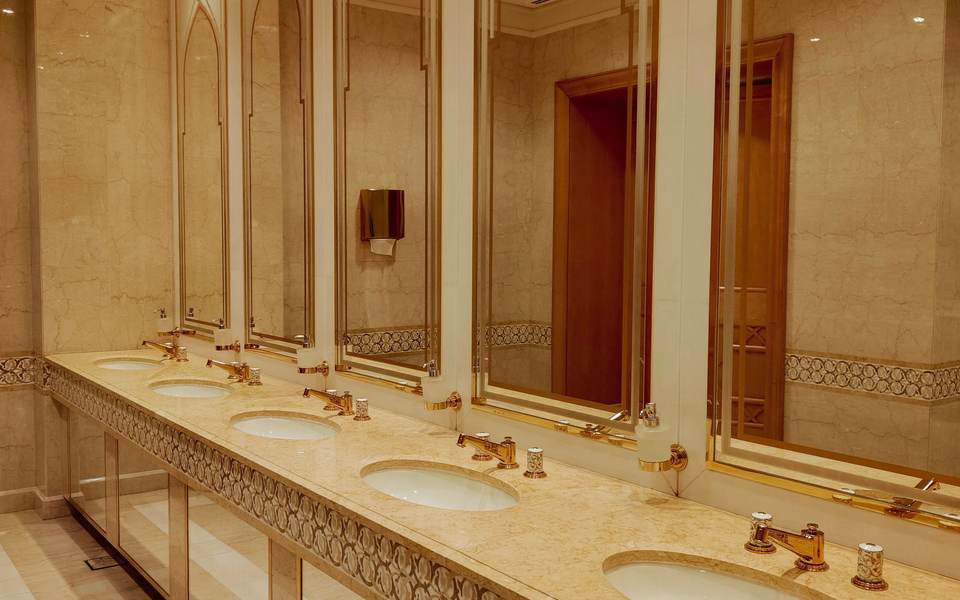
Restaurants, shops, offices and churches in Midtown: stalls, fixtures, counters, floors, tile and ADA upgrades.
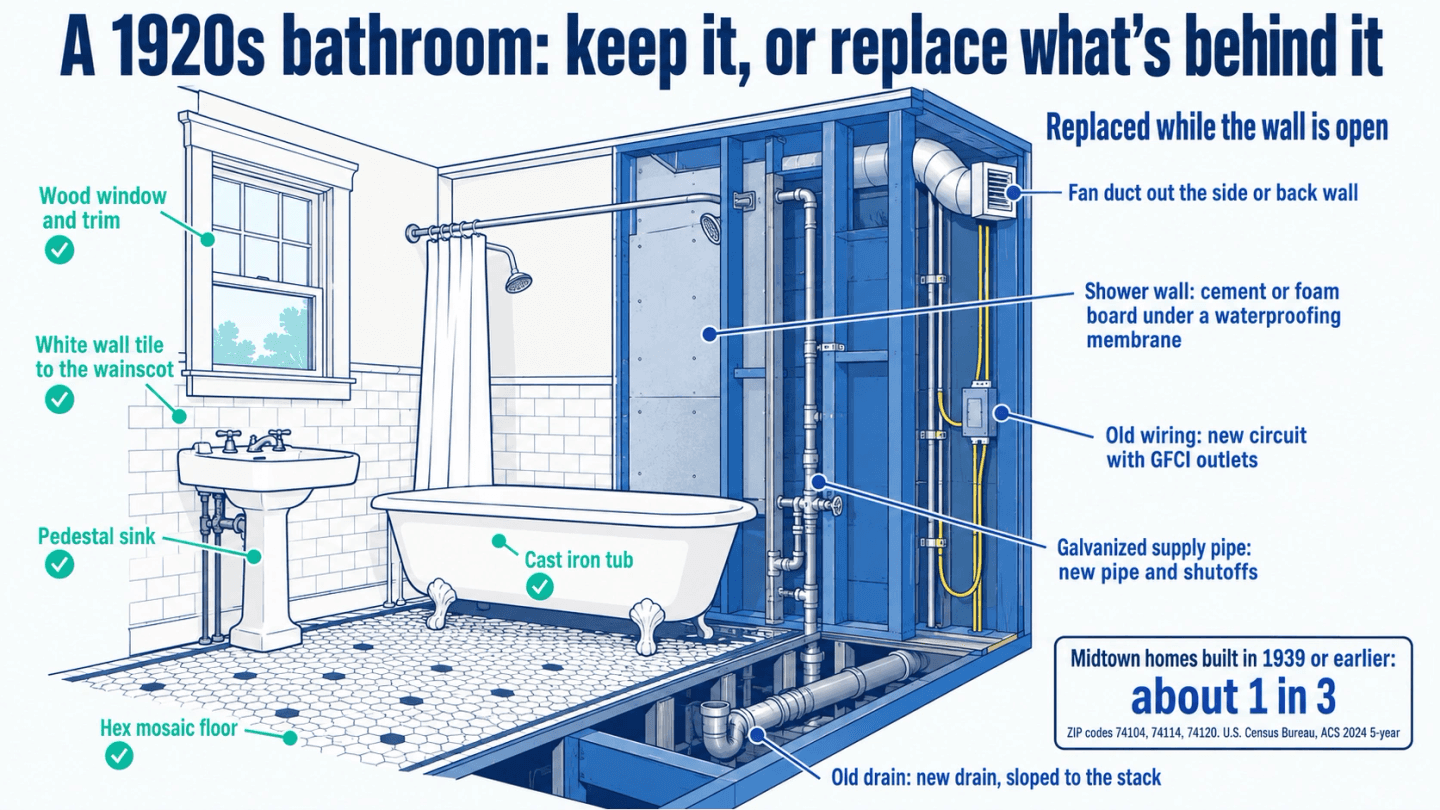
Midtown holds Tulsa's oldest neighborhoods side by side, and most of its bathrooms have seen the better part of a century of baths and showers. These numbers come from the Census and the National Park Service. Beside them, what they mean once a wall is open.
Midtown's homes, counted
What that means for the bathroom
The National Register records give Swan Lake the key years 1910 and 1917, Yorktown 1921, and Gillette 1922 and 1936, and Maple Ridge's listing spans 1900 to 1949. Most of the houses are bungalows, Tudor Revival and Colonial Revival, with Prairie School houses in Maple Ridge. Before we plan anything, we work out which parts of the room are original and which came from a later remodel.Source 3
Prewar bathroom tile was laid in cement, which is why so much of it is still on the wall. The National Park Service's guidance on historic tile names water around tubs and showers as one of the most common reasons it fails: water works into the grout and mortar and the tile comes loose. Hollow or loose tile at the tub edge is the first thing we tap.Source 4
Houses from these decades were often plumbed with galvanized steel water pipe, which rusts from the inside until the flow drops, and cast iron or steel drains that scale up and crack. The same guidance notes how often earlier remodels broke original floor tile to reach pipes, then patched it with tile that did not match. We plan the pipe work and the tile together, so that does not happen a second time.Source 4
In ZIP code 74104, nearly half the homes date from 1939 or earlier. In 74114, more homes were built in the 1950s than in any other decade. A 1920s bathroom and a 1950s one hide different things, so the year your house was built is one of the first questions we ask.Source 1
One in four Midtown owner households has lived in the same house since before 2000. A bathroom remodeled now is often the one you will still be using in 20 years, so we ask who bathes and how, plan where grab bars could go while the wall is open, and keep the way in low wherever the room allows.Source 2
Elsewhere in Tulsa
Nearby towns
Every older house has lived a different life. Pick the one that sounds like yours to see what we would keep, what we would change, and why.
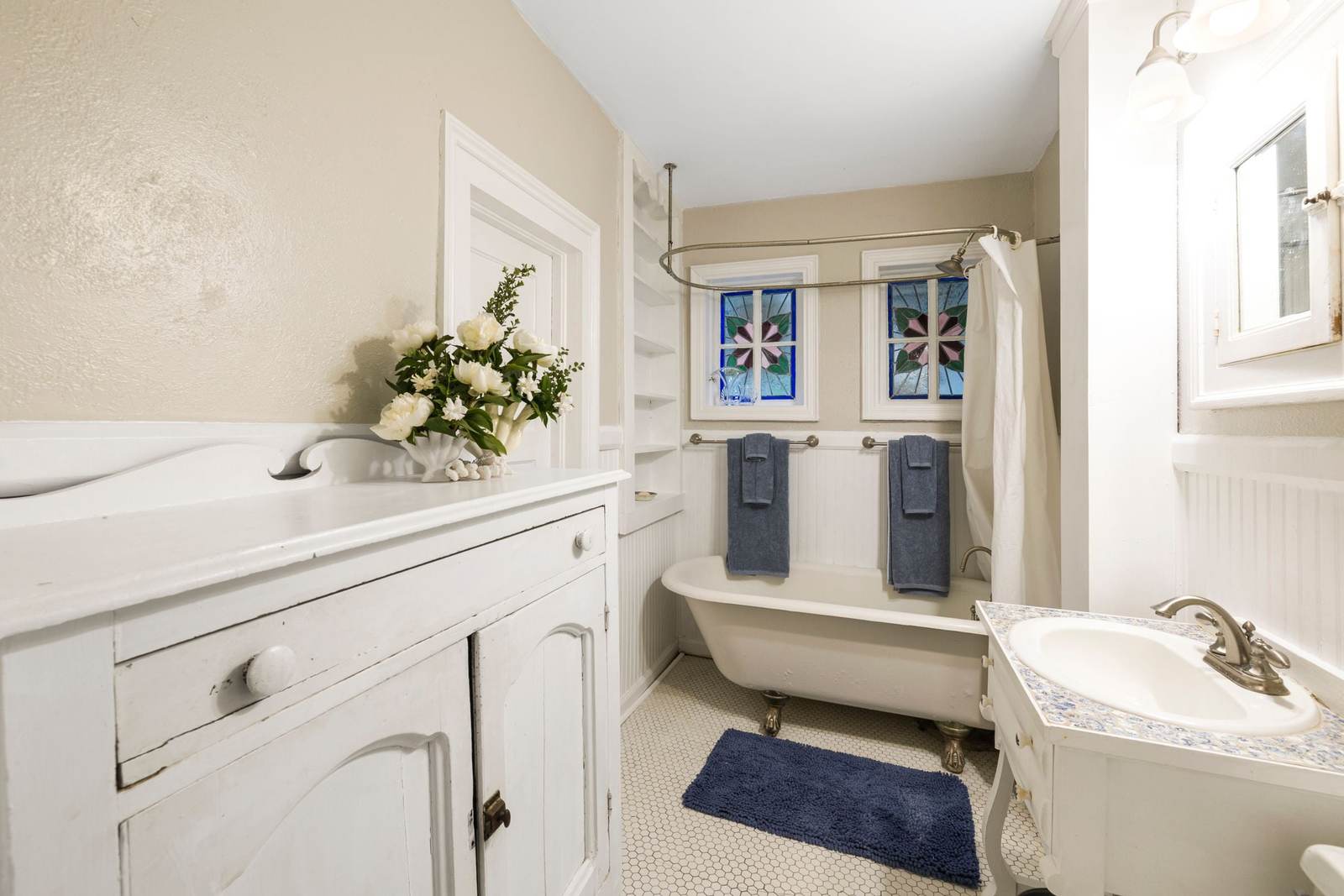
Original pieces left
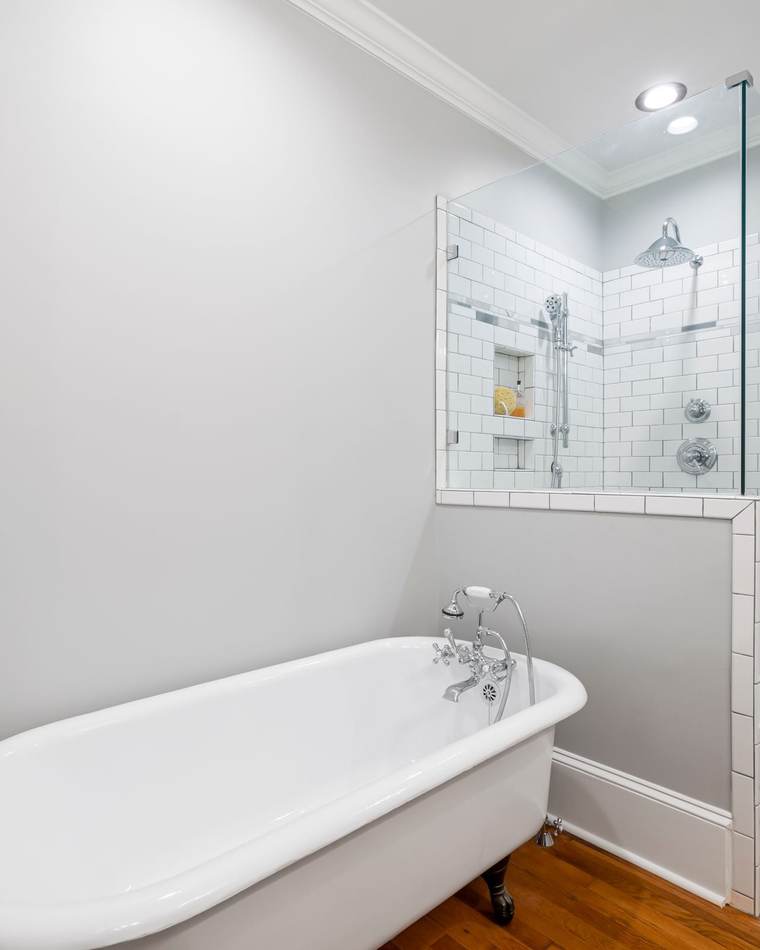
If the hex floor, the wall tile or a cast iron tub is still there and sound, it can stay while everything behind it is renewed. Where a shower has to go in, that wall is rebuilt from the studs, and the new tile is chosen to sit next to the old without looking like a patch.
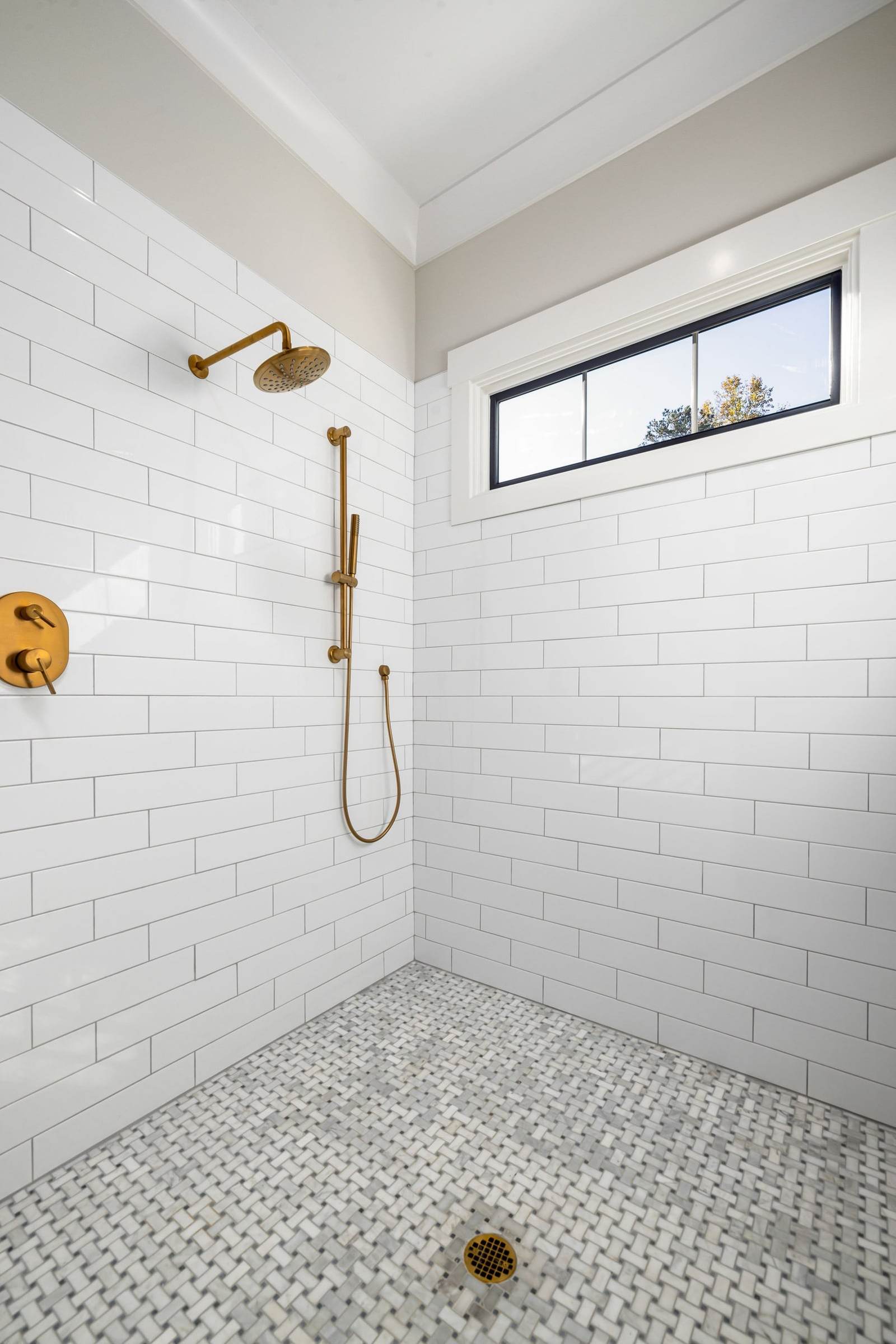
Already redone once
If an earlier remodel already took out the original tile, there is nothing left to protect, and room to build what the house never had: a tiled walk-in shower with a low curb or none, a bench and a niche, in tile that looks right in a 1920s or 1950s house.
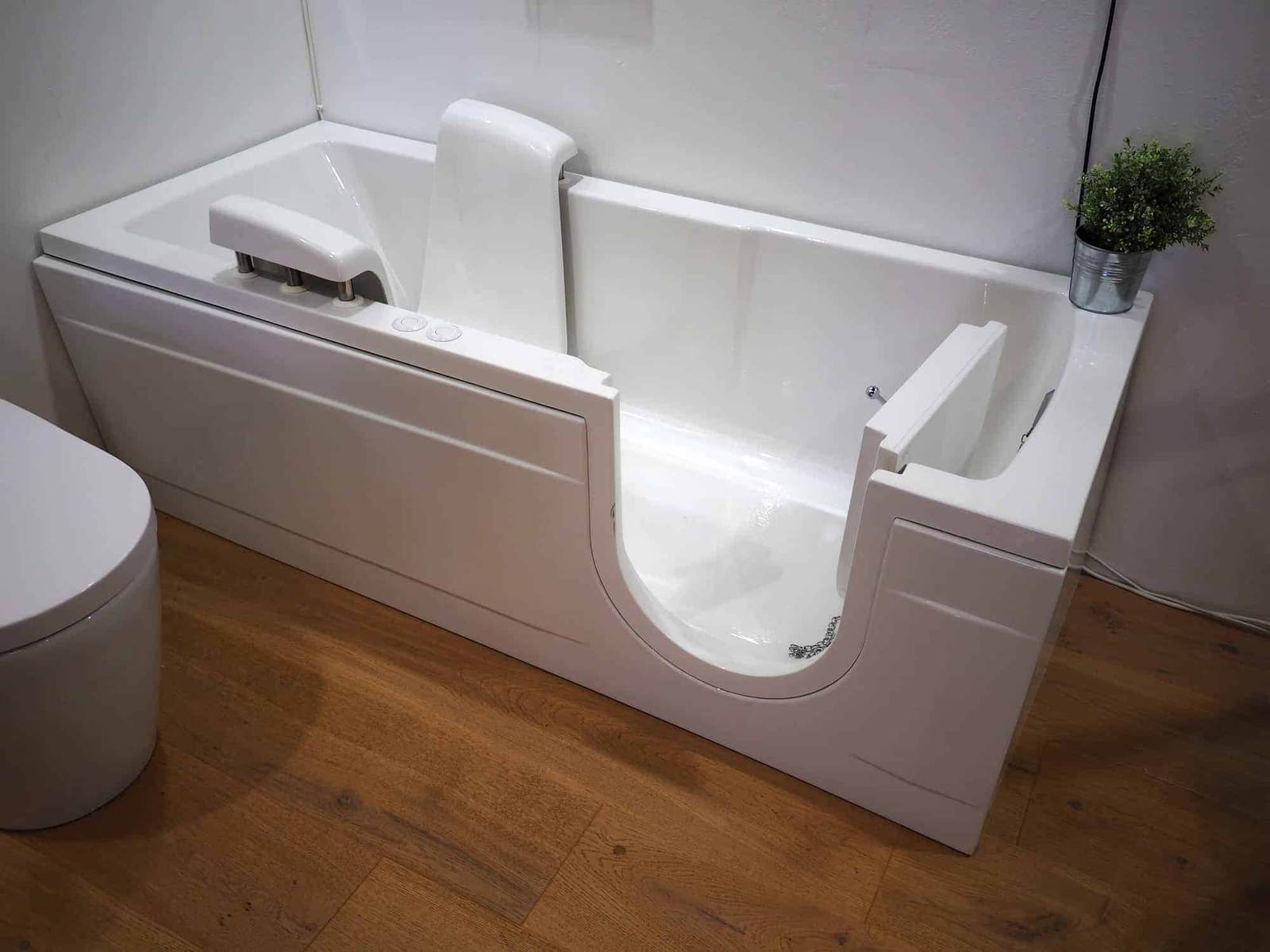
Tub is hard to get into
If someone still wants to soak but stepping over the tub wall has become the hard part, a walk-in tub with a built-in seat and a hand shower usually fits where a standard tub sits now. If nobody really soaks anymore, a low-entry shower is easier to get into and to clean. Bring the person who will use it to the first visit, so the choice is theirs.
Remodeling a 1920s bathroom is a string of small decisions about what stays. This is how we sort them: the pieces worth keeping, the work hidden behind them, new tile and a custom shower that look as if they were always there, and the city's rules if your street has historic preservation zoning.
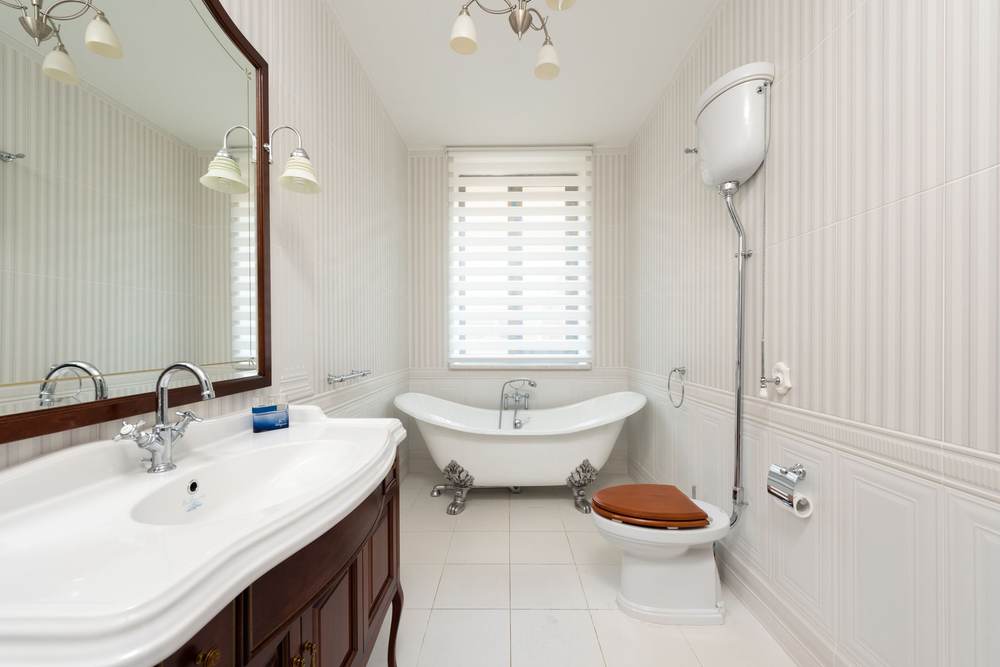
Original pieces are hard to replace and easy to lose. Each one gets a plain yes or no on the first visit.
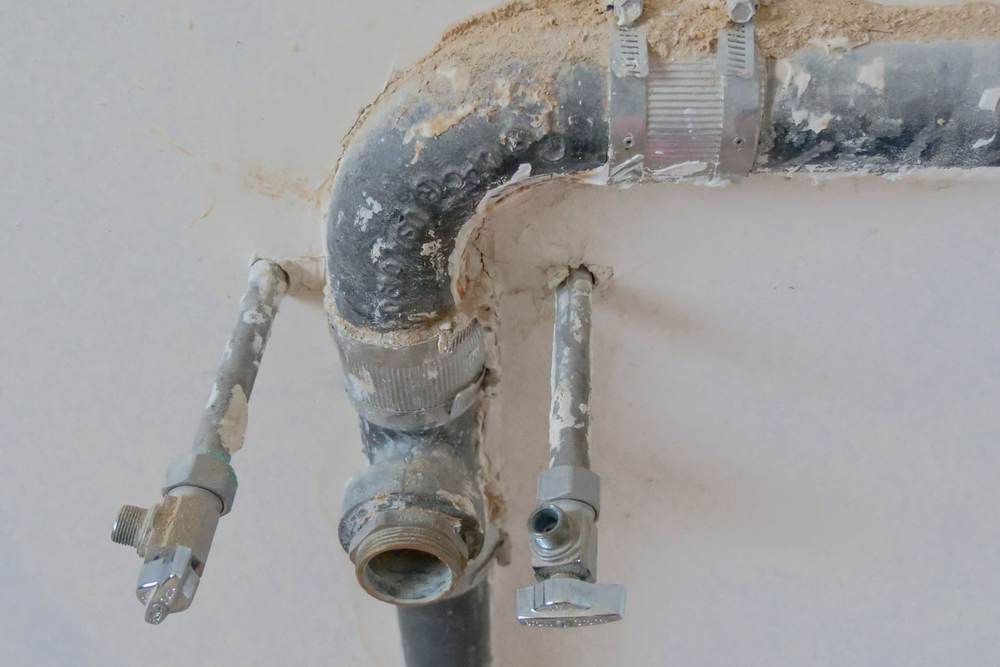
These are the parts you never see, and the usual reason an old bathroom fails. They are replaced while the room is open, even where the tile in front of them stays.
| Keep it when | Replace it when | Either way | |
|---|---|---|---|
| Hex or mosaic floor | The tiles are tight, flat and not cracked across | Large areas are loose or hollow, or the floor under it is soft | Grout matched in color wherever it is repaired |
| Wall tile to the wainscot | It is outside the shower and still bonded | It is inside the new shower, or water has loosened it | A clean, finished edge where old tile meets new work |
| Cast iron tub | The enamel is smooth and someone soaks | It is chipped or rough, or nobody uses it | A new drain, overflow and valve |
| Pedestal sink | The china is sound and a new faucet fits | It is cracked, or the faucet holes do not fit | Plumbing brought up to code if the wall is opened |
| Window | It still opens; in an HP-zoned district, almost always | The sash is rotten; in an HP district, only with a matching window and an HP permit | A sill and returns that shed water |
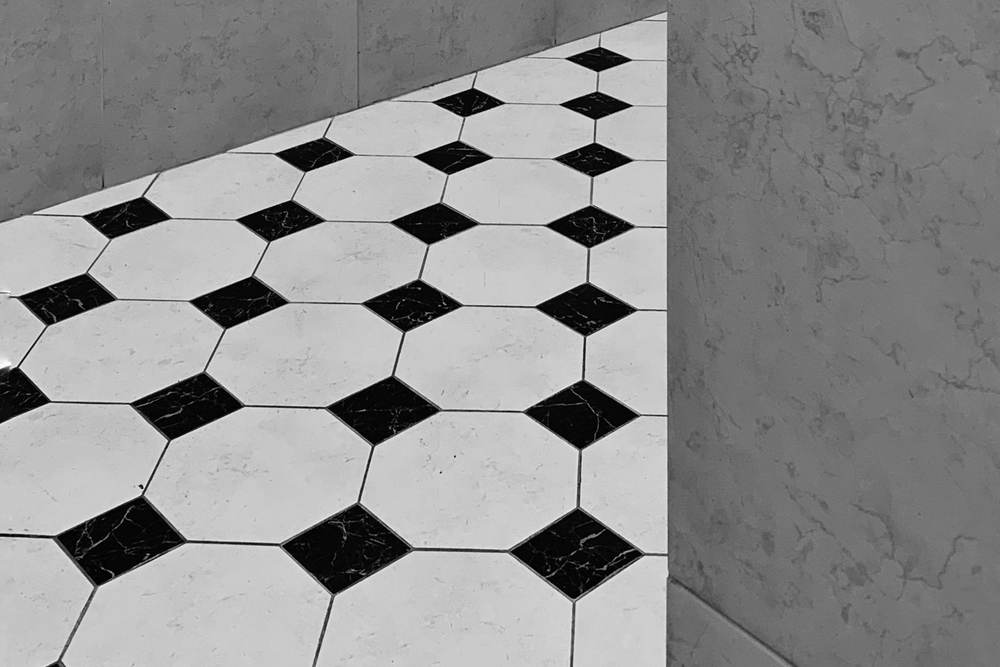
The National Park Service describes what bathrooms of the early 1900s through the 1930s were made of: small white unglazed tile in round, square, octagonal or hexagonal shapes on the floor, and larger white glazed tile on the walls.
Gillette, North Maple Ridge, Swan Lake and Yorktown each have HP zoning, adopted between 1989 and 1995. The Tulsa Preservation Commission reviews exterior work there, not the bathroom itself. An HP permit application costs nothing, and a typical one is decided at a single Commission meeting.
Our written-up jobs so far are elsewhere in Tulsa and in nearby towns. Open one to see the scope, what turned up behind the wall, and the price range from the signed quote where there is one.
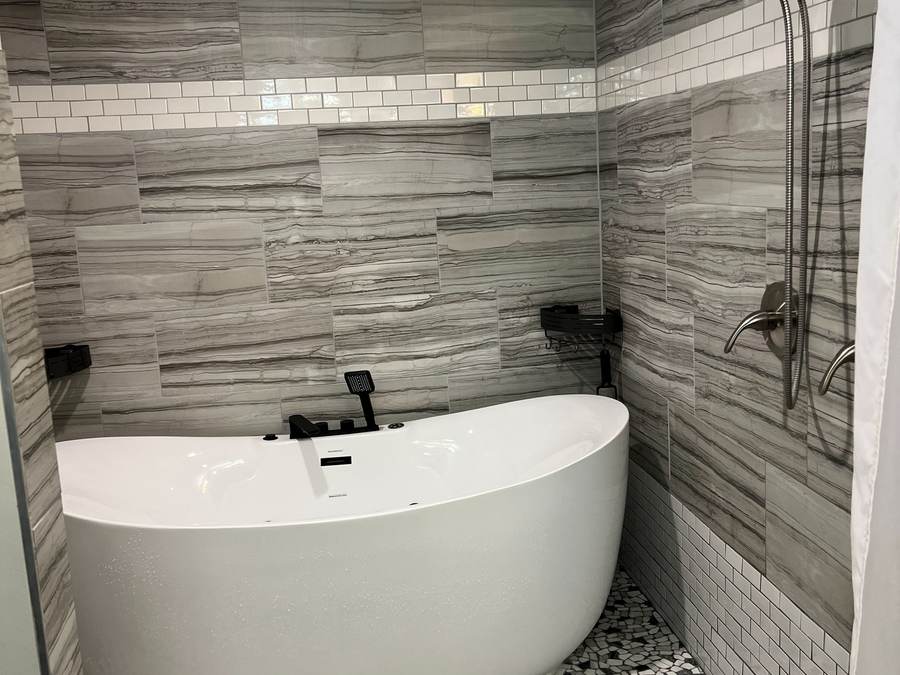
South Tulsa homeowners wanted a freestanding soaking tub without giving up the shower. We took out the old tub and shower floor and built a wet room: the tub and the shower share one tiled, waterproofed space with a pebble floor.
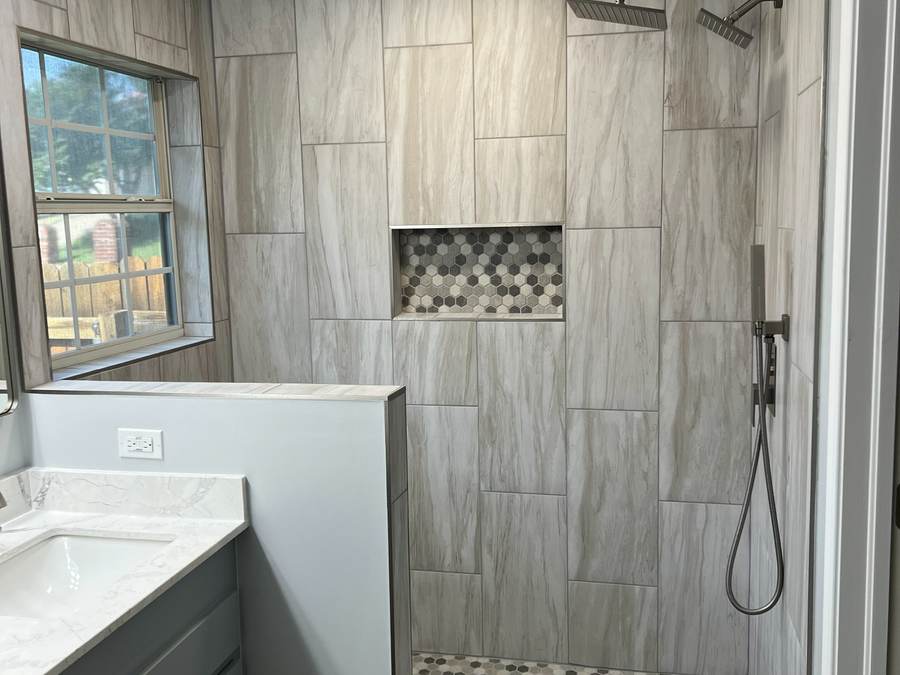
An east Tulsa master bath with a jacuzzi garden tub, a separate older shower and an oak double vanity. We built a full tiled shower where the tub was, then updated the rest of the room around it, and the guest bath vanity too.
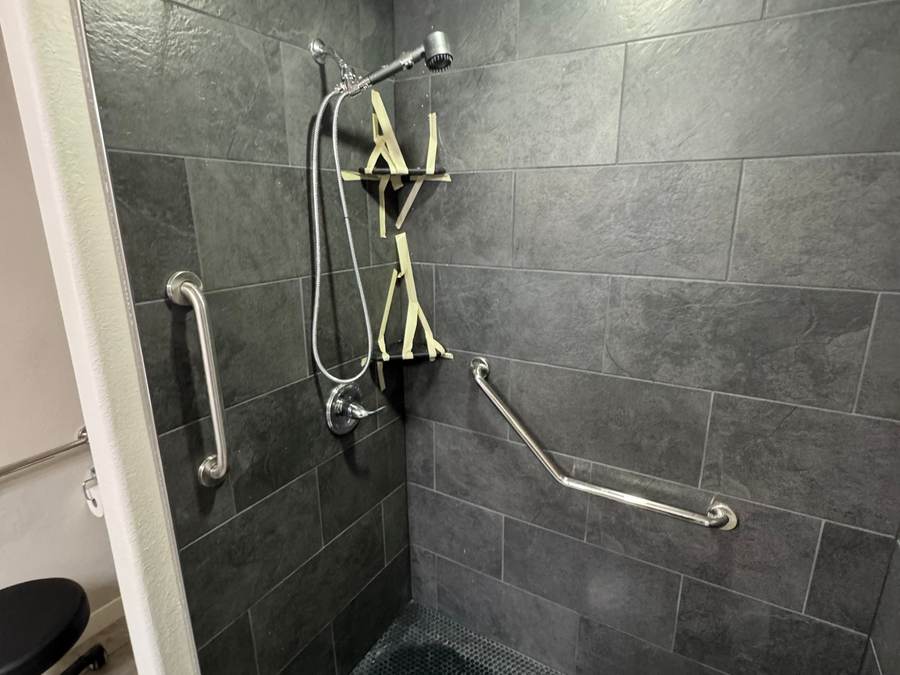
A Bixby homeowner's master shower was a worn acrylic stall with a step-over threshold. We built a tiled walk-in shower with a half-inch ledge a wheelchair can cross, grab bars, a niche and a light overhead.
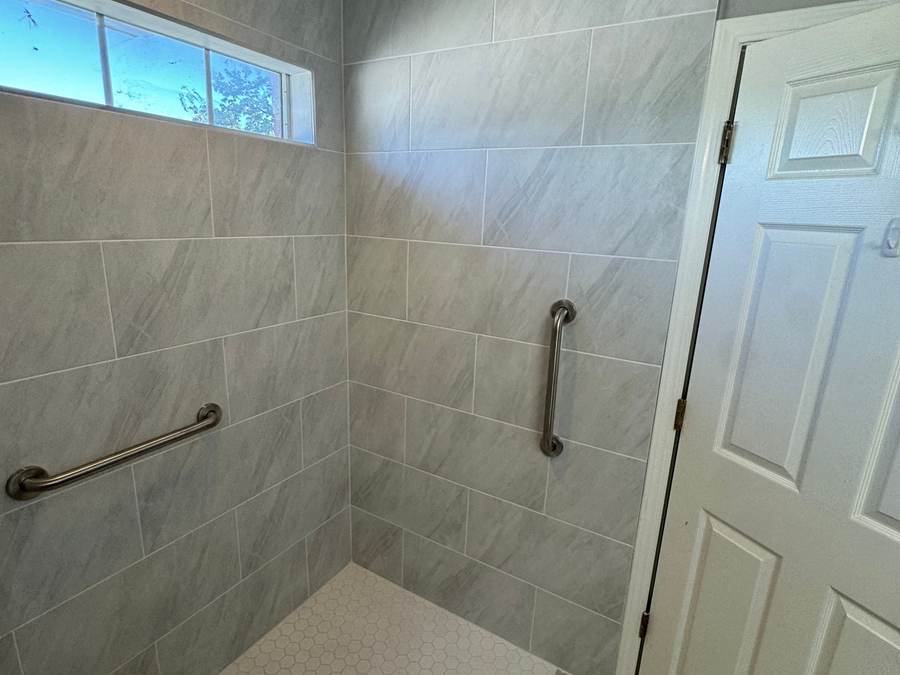
The Tinker Federal Credit Union Foundation asked us to build an accessible shower for a Korean War veteran in Glenpool, within a nonprofit budget. The corner jacuzzi tub came out, and a curbless roll-in shower with grab bars went in its place.
Yes, and it starts with sorting what is original from what a later remodel added. Sound tile, a cast iron tub, the window and its trim can stay while the plumbing and wet walls behind them are renewed. Where new tile goes in, we pick shapes and whites that belong to the house.
It is priced after we see the room, because in an older house the work behind the tile moves the number as much as the tile does. For scale, two recent tiled showers of ours came to about $7,000 to $7,500 (a curbless walk-in in Bixby) and about $7,000 to $8,500 (a roll-in shower in Glenpool), and most full remodels run $10,000 to $25,000. Your quote is itemized and says what could change once the wall is open.
Yes. In a prewar house we expect galvanized supply pipe and cast iron or steel drains, and we replace what feeds and drains the new bathroom while the floor and walls are open. If something turns up beyond the quote, you hear about it before any extra work is done.
Usually, where the room has a standard 5-foot tub space now, and most walk-in tubs come with a hand shower for rinsing. In an older house the tub also has to make it up the stairs and through the door, and the floor framing has to be sound under a full tub. It needs enough hot water to fill it, per the maker's specs; if your water heater needs a look, our on-site plumber or a plumber we recommend checks it. If the old layout puts the tub under a window or behind the door swing, we will say plainly when a low-entry shower would serve you better. Walk-in tubs.
Yes: grab bars on blocking, hand showers and seats, low-entry and curbless showers, and roll-in showers for wheelchairs. For veterans, the VA's HISA benefit can pay toward changes a VA doctor prescribes for a medical reason. We never cut material or labor to fit its limit; anything beyond what the VA approves is billed to you and gone over line by line. How we work with the VA.
Not for the inside. In an HP-zoned district the Commission reviews exterior work, so a replacement window or a vent through an outside wall needs an HP permit first; the tile, tub and layout do not. If your street is in one of the four districts, tell us at the estimate and we will talk through what that means for your job.
Yes. We remodel restrooms for restaurants, shops and offices across Midtown: stalls, fixtures, counters, floors and tile. The schedule is agreed with you before we start, and if the building has two restrooms, keeping one in service while we work on the other is possible; you decide. A typical commercial restroom is finished in 2 days to a week. Commercial restroom remodeling.
Yes. We plan clearances, grab bars, fixtures and signage to the 2010 ADA Standards. In a qualified historic building, the Standards allow narrow exceptions where full compliance would destroy what makes it historic, agreed with the State Historic Preservation Officer; even then, at least one accessible restroom for each sex, or one single-user restroom, is required. ADA restroom compliance.
Tell us what is going on with your bathroom. Someone picks up between 8 AM and 8 PM, and after hours our answering service takes the message.
Someone picks up, 8 AM to 8 PM.
We look at the room, measure, and talk through what is possible and what we would not recommend, including how to future-proof the layout.
We measure and talk through your options.
You get an itemized quote that spells out the work and the materials, and says plainly what could change the price once the walls are open.
An itemized quote, with what could change it.
Work usually starts 1 to 2 weeks after you approve. Cement board and a waterproofing membrane go in every wet area, never sheetrock or green board. A full remodel runs about a week, up to two for intricate tile.
About a week. Waterproofing in every wet area.
We walk the finished bathroom with you and leave it clean. The workmanship carries a written 1-year warranty, with manufacturer warranties passed through to you.
We walk it with you. Written 1-year warranty.
Call, or book a free estimate. We come to the house, sort out what can stay and what cannot, and send an itemized quote within 1 to 2 days.
The year your house was built helps us prepare. We usually reply the same day.
Call us(918) 300-4870